
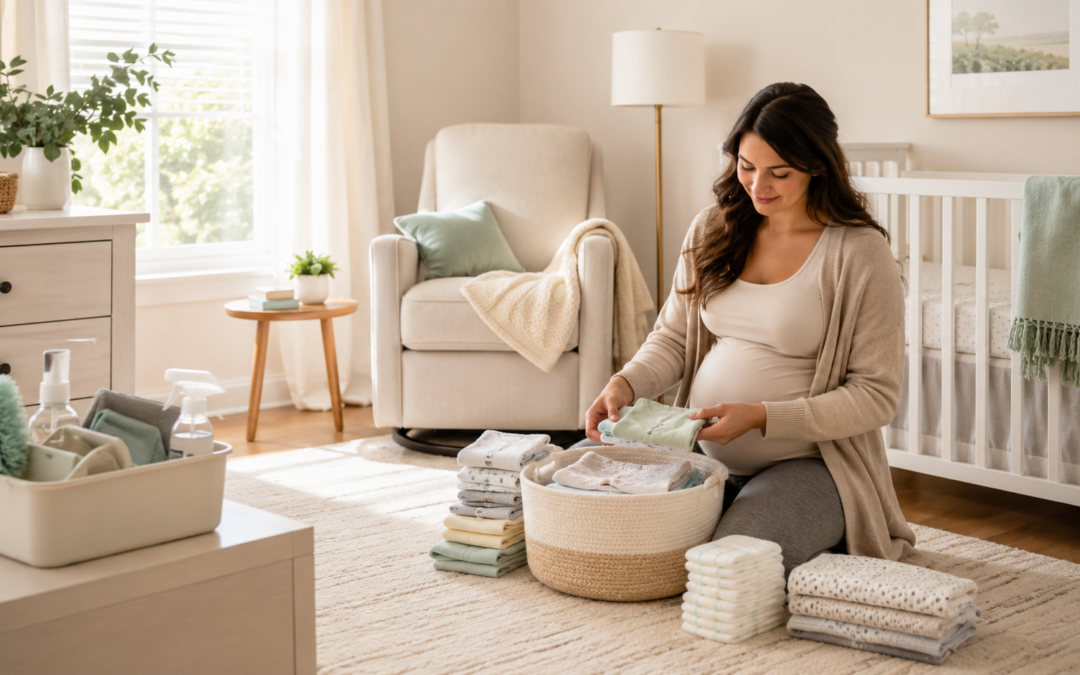
How to Prepare Your Home for a New Baby Without Exhausting Yourself
Bringing a new baby home is one of life’s most exciting experiences, but it can also be one of the most physically and emotionally demanding. Between doctor appointments, purchasing baby supplies, organizing the nursery, preparing meals, and trying to get enough rest, it can feel as though every room in the house suddenly needs attention.
The good news is that your home does not need to be perfect before your baby arrives.
What matters most is creating a space that feels safe, comfortable, functional, and manageable. Instead of trying to deep clean your entire house during one exhausting weekend, focus on the areas that will make everyday life easier once your baby comes home.
This guide explains how to prepare your home gradually, prioritize what matters, and accept help before exhaustion takes over.
Start With the Rooms You Will Use Most
When preparing for a new baby, it can be tempting to clean every closet, reorganize every cabinet, and tackle household projects that have been unfinished for years.
That usually creates more stress than progress.
Begin with the rooms you will use most frequently:
- Your bedroom
- The nursery or baby sleeping area
- The bathroom
- The kitchen
- The main living area
- The laundry area
- The entryway
These spaces will have the greatest effect on your comfort and daily routine during the first several weeks.
A rarely used guest room, basement storage area, or crowded garage can wait. Your time and energy are limited, so use them where they will make the greatest difference.
If your home needs more than routine dusting and vacuuming, scheduling a professional deep cleaning before the baby arrives can give you a cleaner foundation without requiring you to do all the physical work yourself.
Make a Realistic Cleaning Plan
Do not try to do everything in one day.
Divide the work into smaller tasks that can be completed over several days or weeks. Even 15 to 30 minutes of light organizing can make meaningful progress without leaving you exhausted.
Two to Four Weeks Before the Due Date
Focus on larger tasks such as:
- Deep cleaning the kitchen
- Cleaning bathrooms thoroughly
- Washing baby clothes and bedding
- Organizing the nursery
- Cleaning carpets and upholstery
- Removing unnecessary clutter
- Preparing freezer meals
- Stocking household supplies
One to Two Weeks Before the Due Date
Complete lighter tasks such as:
- Dusting furniture and accessible surfaces
- Vacuuming high-traffic areas
- Changing bed linens
- Restocking toiletries
- Setting up diaper stations
- Organizing feeding supplies
- Preparing a comfortable resting area
During the Final Few Days
Keep everything simple:
- Take out the trash
- Wipe down kitchen counters
- Clean the bathroom sink and toilet
- Vacuum the main walking areas
- Make sure clean towels and bedding are available
- Put frequently needed supplies within easy reach
A written checklist can help you stay focused and prevent the uneasy feeling that something important has been forgotten.
Do Not Aim for a Showroom-Perfect Home
A home with a newborn will not remain perfectly arranged—and that is completely normal.
There will be diapers, bottles, blankets, laundry, burp cloths, baby equipment, and supplies in places you did not expect. The goal is not to create a picture-perfect home. The goal is to create a home that supports your family.
Ask yourself:
- Can I move safely through each room?
- Are frequently used supplies easy to reach?
- Are the bathroom and kitchen reasonably clean?
- Do I have clean clothes, towels, and bedding?
- Is there a comfortable place to rest and feed the baby?
- Can I find important items without searching through boxes?
If the answer to most of these questions is yes, your home is already well on its way to being ready.
A clean and orderly environment may also help the home feel calmer during a major life transition. For more on that connection, read How a Clean Home Improves Mental Health and Well-Being.
Declutter Before You Deep Clean
Cleaning is much easier when floors, counters, and furniture are not crowded with belongings.
Start by removing items you no longer use or need. You do not have to make complicated decisions about every possession in the house.
Use three simple categories:
- Keep
- Donate
- Store elsewhere
Focus on visible surfaces and walking paths first.
Clear:
- Bedroom floors
- Hallways
- Bathroom counters
- Kitchen counters
- Living room tables
- Stairs
- Entryways
- The area around the baby’s sleeping space
Reducing clutter can make a room feel dramatically cleaner even before you begin dusting or vacuuming.
It also helps reduce tripping hazards when carrying the baby, especially during nighttime feedings.
Families who feel overwhelmed by accumulated belongings may benefit from professional organizing and cleaning services. Outside help can make it easier to create practical storage systems without turning preparation into an exhausting, weeks-long project.
Prepare a Comfortable Sleeping Area
Whether the baby will sleep in a nursery, a bassinet beside your bed, or another approved sleeping setup, keep the surrounding area simple and uncluttered.
Before the baby arrives:
- Dust nearby furniture
- Vacuum or mop the floor
- Wash approved bedding according to its care instructions
- Wipe down the changing surface
- Organize diapers, wipes, and clean clothing
- Remove unnecessary cords from walking paths
- Make sure nighttime lighting is easy to reach
- Avoid overcrowding the area with decorative items
A simpler room is easier to clean and easier to navigate when you are tired.
Keep frequently used supplies at a comfortable height so you do not need to bend, stretch, or search through drawers repeatedly.
For information about appropriate infant sleep arrangements and current safety recommendations, consult your pediatrician and trusted medical resources.
Create More Than One Diaper Station
You may not want to walk across the house—or climb a flight of stairs—every time your baby needs a diaper change.
Consider creating a small diaper station in each room where you expect to spend significant time.
A basic station can include:
- Diapers
- Wipes
- Diaper cream
- Burp cloths
- A change of clothing
- Disposable bags
- Hand sanitizer
- A small washable changing pad
- A nearby trash container
Keep supplies in a basket or portable container so they can be moved easily.
This simple setup can save time, reduce unnecessary trips through the house, and make nighttime care more manageable.
Deep Clean the Bathroom Before the Baby Arrives
The bathroom is one of the most important rooms to clean before bringing a newborn home.
New parents often have very little time or energy for scrubbing tubs, toilets, grout, and floors during the first few weeks.
Pay special attention to:
- The toilet and surrounding floor
- Sink and faucet
- Shower or bathtub
- Tile and grout
- Mirrors
- Trash container
- Door handles
- Cabinet handles
- Light switches
Remove expired products and items that are no longer used. Create space for postpartum supplies, baby bath items, clean towels, and everyday toiletries.
Keep the bathroom organized enough that you can quickly find what you need.
If there is visible mold, leaking plumbing, damaged flooring, or a persistent sewage odor, those issues may require attention from a plumber, mold-remediation company, or another qualified professional rather than an ordinary cleaning service.
Make the Kitchen Easier to Use
The kitchen does not need to be completely remodeled or reorganized before your baby arrives, but it should be functional.
Start by cleaning the areas you touch most often:
- Countertops
- Sink and faucet
- Refrigerator handles
- Cabinet handles
- Microwave
- Stove surface
- Kitchen table
- High-touch switches and knobs
Remove expired food and create room in the refrigerator and freezer.
Consider setting aside one cabinet, drawer, or shelf for baby-related items, such as:
- Bottles
- Formula
- Storage containers
- Bottle brushes
- Drying racks
- Pumping supplies
- Bibs and burp cloths
Keep frequently used items within easy reach. This is not the time to store everyday supplies on the highest shelf or at the back of an overcrowded cabinet.
Prepare Simple Meals in Advance
Cooking may feel overwhelming during the first several weeks with a newborn.
Before the baby arrives, prepare a few simple meals that can be frozen, refrigerated, or reheated easily.
Practical options include:
- Soups
- Casseroles
- Pasta dishes
- Breakfast sandwiches
- Cooked rice
- Stews
- Pre-portioned meals
- Frozen vegetables
- Slow-cooker meals
You can also stock easy snacks such as:
- Yogurt
- Fruit
- Crackers
- Cheese
- Nuts
- Granola bars
- Pre-cut vegetables
- Sandwich ingredients
Do not create an ambitious meal-preparation schedule if doing so adds more stress. Even three or four prepared meals can make a meaningful difference during a tiring week.
Wash Baby Clothes and Bedding in Small Loads
It is easy to become overwhelmed by piles of new baby clothes, blankets, towels, washcloths, and bedding.
Wash these items in smaller groups rather than attempting everything at once.
Sort them by category:
- Newborn clothing
- Clothing for larger sizes
- Towels and washcloths
- Approved bedding
- Blankets
- Burp cloths
- Bibs
Only organize the clothing your baby is likely to use soon. Larger sizes can be placed in labeled containers and stored for later.
Drawer dividers, small bins, or labeled baskets can help keep items visible and accessible. New parents often discover that simple organization works better than elaborate storage systems.
Clean Carpets and Upholstery Ahead of Time
Carpets, rugs, sofas, chairs, and other upholstered surfaces can collect:
- Dust
- Crumbs
- Pet hair
- Dirt
- Pollen
- Everyday odors
If you plan to have carpets or upholstery professionally cleaned, schedule the service before the baby arrives. This gives the surfaces enough time to dry completely and eliminates the need to move furniture while caring for a newborn.
Pay particular attention to:
- The nursery
- Your bedroom
- The living room
- Hallways
- Stairs
- Frequently used chairs
- Areas where pets spend time
Regular vacuuming is important, but it may not remove soil and debris embedded deeper in carpet fibers. Learn more in our guide to professional carpet cleaning in Chicago’s southwestern suburbs.
Focus on Dust, Not Perfection
Dust can accumulate quickly on:
- Ceiling fans
- Baseboards
- Window sills
- Blinds
- Lamps
- Shelves
- Picture frames
- Electronics
- Vents
- Doorframes
You do not need to clean every inch of the house.
Begin with the rooms where the baby and parents will spend the most time. Use a damp microfiber cloth when appropriate so dust is collected rather than pushed back into the air.
Work from higher surfaces downward. Dust fans, shelves, and furniture first, then vacuum or mop the floor.
For additional family-oriented advice, see Creating a Healthier Home Environment for Children: Practical Cleaning Tips for Families.
Be Careful With Strong Cleaning Products
Pregnancy and the postpartum period are not ideal times to expose yourself to unnecessary fumes.
Read cleaning-product labels carefully, provide adequate ventilation, and never combine products unless the manufacturer specifically states that doing so is safe.
Never mix bleach with ammonia or acidic products. Dangerous fumes can result.
When cleaning:
- Open windows when weather permits
- Use exhaust fans
- Wear appropriate gloves
- Take frequent breaks
- Ask someone else to handle strong-smelling products
- Use only products appropriate for the surface
- Follow the manufacturer’s directions
- Keep all products away from children and pets
Using more product does not necessarily produce a cleaner result. Excess cleaner can leave residue, damage surfaces, and create unnecessary fumes.
Prepare for Pet Hair and Changing Pet Routines
Pets may need time to adjust to new sounds, scents, schedules, and household rules.
Before the baby arrives:
- Vacuum pet hair from furniture and floors
- Wash pet bedding
- Clean food and water areas
- Organize leashes, toys, and grooming supplies
- Establish areas where pets may or may not go
- Remove pet items from narrow walking paths
- Arrange help with walks or feeding if needed
Do not wait until the final day to make major changes to a pet’s routine. Gradual adjustments are generally easier for the pet and the family.
Create a Comfortable Feeding Area
Whether you plan to breastfeed, pump, bottle-feed, or use a combination, having a comfortable and organized feeding area can make a significant difference.
Choose a chair or seating area with:
- Good back support
- A nearby table
- Soft lighting
- Easy access to water
- Burp cloths
- Tissues
- Phone chargers
- Snacks
- Feeding supplies
- A small trash container
Keep a basket nearby so you do not need to stand up every time you need something.
Clean the chair and surrounding area before the baby arrives, especially when the furniture collects pet hair, crumbs, or dust.
Set Up a Nighttime Station
Nighttime care is easier when essential items are already within reach.
A small nighttime station might contain:
- Diapers
- Wipes
- Burp cloths
- A clean outfit
- Bottles or other feeding supplies
- Water for the parent
- A dim light
- Phone charger
- Tissues
- A small trash container
Avoid placing unnecessary belongings on the floor.
Clear walking paths between:
- The bed
- The baby’s sleeping area
- The bathroom
- The changing area
- The hallway
Being able to move safely through the room is far more important than having every decorative detail completed.
Stock Essential Household Supplies
One of the easiest ways to reduce stress is to purchase basic household supplies before the baby arrives.
Useful items may include:
- Toilet paper
- Paper towels
- Laundry detergent
- Dish soap
- Dishwasher detergent
- Trash bags
- Hand soap
- Basic toiletries
- Cleaning cloths
- Diapers
- Wipes
- Easy snacks
- Bottled water or a filled water pitcher
You do not need to turn your home into a warehouse. A modest supply is enough to reduce unnecessary shopping trips during the first few days.
Simplify the Laundry System
Newborns can create a surprising amount of laundry.
Place a hamper or basket near the areas where clothing, blankets, and bedding will be changed.
You might use separate baskets for:
- Baby laundry
- Adult laundry
- Towels
- Heavily soiled items
Do not worry about folding everything perfectly.
During the early weeks, clean and easy to find is the goal. A simple basket system may be more practical than an elaborate drawer arrangement.
Clean and Organize the Entryway
The entryway may quickly become a landing area for:
- Diaper bags
- Car seats
- Coats
- Shoes
- Deliveries
- Strollers
- Baby equipment
- Visitors’ belongings
Clear unnecessary items from the floor and create designated places for frequently used belongings.
Sweep or vacuum the area and wipe down the door handle and nearby surfaces.
A clean, open entryway makes it easier to enter and leave the home safely while carrying a baby or baby equipment.
Decide How You Want to Handle Visitors
A new baby often brings excited family members and friends.
Think ahead about what will make visits easier for you.
You may choose to:
- Keep visits short
- Ask people to call before arriving
- Limit the number of visitors at one time
- Ask visitors to wash their hands
- Create a place for shoes and coats
- Postpone visits when you need rest
- Ask visitors not to come when they are ill
You are not obligated to entertain guests or maintain a spotless home.
Visitors who care about your family will understand that your priorities are rest, recovery, bonding, and adjusting to a new routine.
Accept Help Without Feeling Guilty
Many new parents feel pressure to manage everything themselves.
That pressure can quickly lead to physical and emotional exhaustion.
Let family members, friends, or professionals help with practical responsibilities such as:
- Cleaning
- Laundry
- Grocery shopping
- Meal preparation
- Pet care
- Taking out the trash
- Washing dishes
- Changing bedding
- Vacuuming and mopping
When someone offers to help, give that person a specific task. “Could you bring dinner?” or “Could you vacuum the living room?” is often easier than saying, “Anything is fine.”
Professional cleaning can also give families more time for recovery and bonding. Our article, 10 Reasons Plainfield Families Hire Professional Cleaners, explains how outside help can save time and reduce the burden of household chores.
Help is not a sign that you are failing. It is part of preparing wisely.
Know Which Tasks Can Wait
Some household projects are simply not urgent.
These can usually wait until later:
- Organizing the garage
- Washing every window
- Sorting old photographs
- Repainting rooms that are already in good condition
- Rearranging every closet
- Replacing decorative items
- Completing unfinished craft projects
- Cleaning rarely used storage areas
If a task does not directly improve safety, comfort, cleanliness, or daily function, place it on a future list.
Do Not Overdo It Physically
Pregnancy can make bending, lifting, standing, climbing, and reaching more difficult.
Listen to your body and follow any activity restrictions provided by your healthcare professional.
Avoid:
- Lifting heavy furniture
- Climbing unstable ladders
- Carrying heavy laundry baskets
- Scrubbing for extended periods
- Reaching above your head repeatedly
- Working in poorly ventilated spaces
- Using products that cause dizziness or irritation
Take frequent breaks, drink water, and stop if you feel dizzy, weak, short of breath, painful, or otherwise unwell.
Contact your healthcare provider when you have concerns about symptoms or whether a particular activity is appropriate during pregnancy or recovery.
Consider Professional Cleaning Before the Baby Arrives
Hiring a professional cleaning service can remove a major responsibility from your preparation list.
Instead of spending your limited time and energy scrubbing bathrooms, cleaning floors, dusting baseboards, or removing buildup from the kitchen, you can concentrate on resting and preparing emotionally for your baby’s arrival.
A pre-baby cleaning may include:
- Kitchen cleaning
- Bathroom cleaning
- Dusting
- Vacuuming
- Mopping
- Baseboard cleaning
- Cabinet-front cleaning
- Bedroom cleaning
- Living-area cleaning
- Carpet and upholstery cleaning
- Organizing assistance
The exact cleaning plan can be customized according to the condition of the home, the amount of time available, and the family’s priorities.
After the baby arrives, recurring cleaning services can help prevent routine household work from becoming overwhelming.
How Detail Cleaning M&M Can Help
At Detail Cleaning M&M, we understand that preparing for a new baby can feel overwhelming. Our goal is to help families create cleaner, more comfortable homes without adding more work to an already demanding schedule.
We can focus on the rooms that matter most, including:
- Nurseries
- Bedrooms
- Bathrooms
- Kitchens
- Living rooms
- Entryways
- Laundry areas
We also provide cleaning options for families who need assistance:
- Before the baby arrives
- Immediately after returning home
- During postpartum recovery
- On a weekly, biweekly, or customized recurring schedule
Every family’s needs are different. Some households may need a complete deep cleaning, while others may want help only with bathrooms, floors, dusting, kitchens, or high-traffic areas.
The service should fit your household—not the other way around.
A Simple Pre-Baby Cleaning Checklist
Use this checklist to stay organized without taking on too much at once.
Bedroom
- Change and wash bedding
- Dust furniture
- Vacuum or mop the floor
- Clear walking paths
- Set up nighttime supplies
- Remove unnecessary clutter
Nursery or Baby Area
- Dust surfaces
- Clean the floor
- Wash approved bedding
- Organize diapers and clothing
- Wipe down the changing area
- Keep pathways open
Bathroom
- Clean the toilet
- Scrub the sink
- Clean the shower or bathtub
- Mop the floor
- Empty the trash
- Restock soap and toilet paper
- Make room for postpartum and baby-care items
Kitchen
- Clean counters
- Clean the sink
- Wipe appliance handles
- Remove expired food
- Make refrigerator and freezer space
- Stock easy meals and snacks
- Organize feeding supplies
Living Room
- Dust surfaces
- Vacuum furniture
- Remove pet hair
- Clear floor clutter
- Create a feeding area
- Keep a basket nearby for baby supplies
Laundry Area
- Wash baby clothes
- Wash towels and blankets
- Stock detergent
- Place hampers in convenient locations
- Keep the floor clear
Entryway
- Sweep or vacuum
- Clear shoes and bags
- Make space for baby equipment
- Wipe door handles
- Keep the walkway open
Give Yourself Permission to Rest
Preparing for a baby is not a test of how much work you can accomplish before the due date.
Your home does not need to look perfect. It needs to support you.
A clean bathroom, a functional kitchen, fresh bedding, open walking paths, organized baby supplies, and a comfortable place to rest are much more valuable than spotless closets or perfectly arranged shelves.
Do what you reasonably can, accept help, and leave the rest for another time.
Your baby will not remember whether every baseboard was polished. What matters is that the home feels safe, peaceful, comfortable, and ready for the people living in it.
Let Detail Cleaning M&M Lighten the Load
Preparing for a new baby should be filled with anticipation—not exhaustion.
Detail Cleaning M&M provides professional deep cleaning, recurring house cleaning, carpet and upholstery cleaning, organizing assistance, and other household services designed to make your home more comfortable and manageable.
Whether you need a complete pre-baby deep cleaning or ongoing help after the baby arrives, our team is ready to provide careful, dependable, and professional service throughout Plainfield, Naperville, Bolingbrook, Oswego, Downers Grove, Hinsdale, La Grange, Western Springs, Willowbrook, Oak Brook, Clarendon Hills, and surrounding Chicago suburbs.
Request a free cleaning estimate or call 312-730-6552 to create a cleaning plan that works for your family.
I used descriptive anchor text rather than phrases such as “click here,” which gives readers—and search engines—a clearer understanding of what each linked page contains.