
When should that threadbare, coffee-stained carpet beneath your feet finally be replaced in your cherished home or bustling business? Obviously, there is no “one size fits all” answer to this pressing question. Your decision should carefully weigh the carpet’s true age and visible condition—those mysterious dark patches, the worn paths from daily foot traffic, the stubborn pet odors—alongside your available budget and similar practical considerations. Also, some carpets, with their frayed edges and permanent discoloration, are simply beyond even the most vigorous cleaning and professional restoration, so complete replacement becomes your only viable option!
On the other hand, a thorough, deep-cleaning service can often provide dramatically better results than skeptical property owners initially expect. Since brand-new carpeting is significantly more costly than even premium cleaning services, consider some crucial details to remember when choosing between these two important options. Additionally, a seasoned carpet cleaning and installation professional can also provide invaluable guidance! They can carefully assess your current carpet’s condition, examine the underpadding, and evaluate other critical factors before offering their expert, experience-based opinion.
A reliable guideline to consider is if your carpet is consistently marred by visible dirt and deeply ingrained stains, it might be approaching the end of its useful life and should be replaced soon. Most carpets and rugs that endure heavy foot traffic rarely remain in good condition for more than five years. On the other hand, if your carpet doesn’t bear noticeable dirt or staining, it can likely be revived with a thorough cleaning. However, if your carpet has been in place for more than 10 to 15 years, it might be wise to consider a replacement.
Carpets and rugs are often the first elements in a room to reveal the ravages of time and use. You might observe fraying edges, faded colors, or an overall decline in their condition as years pass. These signs of wear and tear are clear indicators that it may be time to replace your carpet.
Another indication that your carpet might need replacing is its odor. If your carpet has developed a musty or unpleasant smell, it’s likely an indication that the fibers are disintegrating and the backing is deteriorating. This olfactory clue should not be ignored, as it suggests the carpet’s structure is breaking down.
Should your carpet exhibit any of these symptoms—be it unsightly stains, persistent odors, or signs of significant wear—it is probably the right time to consider a replacement. However, if there are just a few isolated stains or if it seems that a deep clean might restore some of its former glory, you may be able to prolong its life a bit longer.
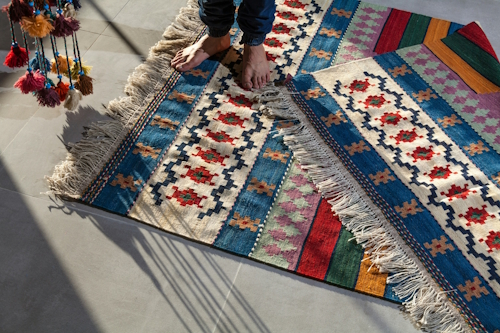
Factors when deciding replacement vs. cleaning
Many anxious homeowners, particularly those with plush, high-pile carpeting or delicate Oriental rugs, cling to the persistent misconception that professional carpet cleaners leave behind a soggy, damaged mess. However, this fear couldn’t be further from reality! First, professional deep-cleaning actually extracts embedded grit and abrasive particles that gradually shred carpet fibers with every footstep. Second, well-meaning DIY enthusiasts armed with rental machines and grocery store solutions typically oversaturate the padding beneath, creating a breeding ground for mold and mildew that professional equipment with powerful extraction prevents. Examine the compelling evidence below so you can make an informed decision about preserving your home’s valuable floor coverings.
─ The age-old dilemma—restore or replace your worn, stained carpeting—has no one-size-fits-all solution, but several crucial considerations can guide your decision about the soft, textured foundation beneath your feet.
─ Have you witnessed the transformative magic of professional carpet cleaning compared to your own laborious DIY attempts? Seasoned experts with industrial-strength equipment can extract deeply embedded grit, microscopic allergens, and stubborn coffee stains that amateur efforts leave festering in the fibers!
─ DIY cleaning often leaves a sticky residue of soapy chemicals and moisture lurking deep within the carpet’s underlayer. This hidden dampness becomes a magnet for new dirt particles, leaving your freshly “cleaned” carpet looking dingy within days! A professional’s truck-mounted extraction system, by contrast, leaves carpets nearly bone-dry and immaculate.
─ The rejuvenating power of professional steam cleaning breathes new life into flattened, matted carpet fibers. Watch as the technician’s equipment transforms your trampled pathways back into a lush, springy surface that cushions each footstep with plush comfort.
─ Professional cleaners also deploy specialized deodorizing treatments that neutralize the unmistakable musty scent of pet accidents, spilled milk, or years of accumulated cooking odors that have permeated your carpeting’s every fiber.
─ Simple household modifications can preserve your carpet’s renewed beauty. High-efficiency air filtration systems capture the swirling dust particles that would otherwise settle into your carpet’s delicate loops. Thick, absorbent welcome mats placed strategically at every entrance create a defensive barrier against muddy footprints and outdoor debris. These preventative measures cost a fraction of what you’d spend on new wall-to-wall carpeting.
─ Examine your carpet’s age with a discerning eye. Premium carpeting, properly maintained, should grace your floors for a decade or more. If your carpeting hasn’t yet reached this milestone, professional cleaning can restore its showroom luster for years to come.
─ The carpet’s material composition tells its own story of durability. Resilient wool with its natural soil resistance, sturdy cotton with its comfortable feel, stain-resistant polyester, and virtually indestructible nylon all promise years of reliable service. Only the most delicate silk-blend carpets might require premature replacement due to their fragile nature.
─ Before you endure the considerable expense and disruption of carpet replacement, invite a professional cleaner to demonstrate their restorative artistry on your tired flooring. The dramatic transformation from dull and dingy to vibrant and fresh might astonish you!
How professional carpet cleaners prolongs its life
First, consider how professional carpet cleaning prolongs the life of your plush, inviting flooring. Over time, abrasive dirt particles and sticky, oily grime act like sandpaper against delicate carpet fibers, grinding them down until they become dull, frayed, and beyond restoration. On the other hand, regular deep cleaning by professionals gently lifts away this destructive grime, preserving your carpet’s soft texture and vibrant colors.
Also, the dark, damp environment beneath your carpet creates the perfect breeding ground for fuzzy green mold and slimy black mildew colonies that silently spread along the carpet backing. Eventually, these microscopic invaders might become so deeply entrenched that even industrial-strength cleaners won’t eradicate them. However, professional care removes these moisture-loving organisms before they devour your carpets from underneath.
Additionally, professional hot water extraction and powerful steam treatments revitalize crushed carpet fibers and restore the carpet’s lush, springy nap before they become permanently flattened into unsightly traffic paths. A trained technician can also spot subtle wine stains, pet accidents, and hidden soil deposits that an untrained eye might completely miss. Professional cleaners also possess specialized knowledge about the perfect cleaning approach for every carpet—from delicate wool Berbers to stain-resistant nylons—ensuring your cherished floor coverings remain pristine and luxurious for many years to come.
Amateur cleaning is what ruins carpets!
Why can we say that amateur cleaning is what ruins carpets? One reason is that unsuspecting homeowners often reach for caustic, chemical-laden detergents and rent bulky, outdated machines that mercilessly scrape and tear delicate carpet fibers. Two, it’s not uncommon for well-meaning amateurs to leave behind sticky, soapy residues and gallons of murky rinse water saturating every inch of padding!
Consequently, that residual detergent creates a tacky, invisible film on once-plush carpets that magnetizes dirt particles, dust, and pet hair worse than before. Also, leftover rinse water seeps deep into the backing, creating a dark, damp breeding ground for black mold spores and mildew that release musty odors. It’s also easy to crush and flatten soggy carpet fibers under foot traffic, causing permanent matting and unsightly traffic patterns. In turn, these harsh, amateur-grade tools and haphazard techniques can slash a carpet’s expected lifespan by years, unlike the gentle, thorough approach of professional services.
How Do I Deep Clean My Carpet?
First, note that a property owner should leave deep cleaning to the pros! Second, he or she might note the best deep cleaning method based on carpet materials and its condition. Most will recommend either shampooing or steam cleaning for carpets.
─ Shampooing helps loosen ground-in dirt while also removing stains and odors. Quality carpet shampoos can also remove grease, oil, and other thick residues.
─ However, shampooing carpets means using lots of rinse water to extract that detergent. In turn, carpets are often damp for hours after cleaning.
─ Additionally, some property owners are sensitive to shampoo smells and their chemicals.
─ Carpet shampooing doesn’t necessarily tackle mold, mildew, dust mites, and other irritants on carpets.
─ Steam cleaning helps kill mold and mildew, even as it grows along carpet backing. Additionally, steam cleaning helps restore fibers and carpet nap, for a like-new appearance.
─ Since steam cleaning uses little to no detergent, there are no bothersome odors or chemicals left behind.
─ On the other hand, steam cleaning doesn’t always remove tough stains and residues like grease and oil.
What Color Carpet Hides Dirt Best?
Dirt clinging to carpets often manifests in muted shades of gray and deep, earthy browns. In response, you might be tempted to choose carpets in similar hues to cleverly conceal as much dirt as possible! Furthermore, multicolored carpeting or those adorned with intricate patterns serve as excellent camouflage, artfully disguising areas of dirt and dust within their designs.
Additionally, think about selecting carpets with a low nap, as they don’t reveal unsightly tread marks or worn spots as readily. Styles like Berber and saxony feature tightly woven loops, making them resistant to showing footprints or wear. These designs are particularly well-suited for hallways, entryways, and other bustling areas in your home or business, where foot traffic is constant and unrelenting.
Moreover, materials such as nylon, rayon, and polyester possess natural properties that repel dirt, dust, and water. As a result, they are often easier to maintain, requiring just a simple sweep with a household vacuum cleaner to keep them looking pristine. These materials are an ideal choice for high-traffic areas and homes bustling with the activities of pets and children, providing both durability and ease of maintenance.
Which Type of Carpet Cleaning Is Best?
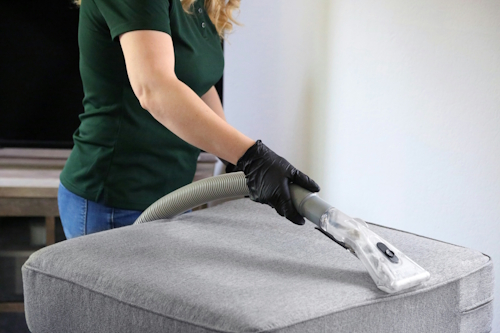
There is no “best” carpet cleaning method, as each method offers pros and cons. Also, a professional carpet cleaning technician should choose a method suited for carpet materials and its condition. To help you decide the right option, check out the most common carpet cleaning methods. Then, discuss your property with a carpet care technician near you as needed.
─ Carpet shampooing uses detergents designed to loosen dirt, oil, stains, and other debris. On the upside, shampooing offers deep, effective cleaning. However, it’s difficult to remove all that detergent and rinse water! Consequently, carpets are often damp and have lingering odors as well.
─ Steam cleaning offers an excellent clean, removing some 90% of germs, bacteria, and other irritants. Professional steaming also restores flattened carpet nap and means few if any chemicals and their bothersome odors. On the downside, steamed carpets also tend to stay damp, and steaming might not offer the same cleaning as shampooing.
─ Encapsulation uses a specialty powder that traps and locks dirt, foaming and bringing it to the surface of carpet fibers. In turn, a contractor can then vacuum or extract that dirt and debris. One reason to choose encapsulation is that it uses little water, making it very eco-friendly. However, it doesn’t offer the same effective cleaning for thick dirt and ground-in debris.
─ Detail Cleaning M&M offers a lightweight, surface cleaning. A contractor uses a specialty spinning pad to apply detergent to a carpet. Next, he or she uses a clean pad to remove that detergent and dirt. Detail Cleaning M&M is affordable and offers a quick clean but isn’t as effective as other methods.
─ Dry cleaning carpets, as the name implies, uses specialty chemicals applied without water. These chemicals loosen dirt so a technician can then vacuum it away. Dry cleaning offers an eco-friendly clean but can leave behind some dirt and bothersome chemical odors.
When deciding between these carpet cleaning methods, consider how each might serve you at different times throughout the year! For instance, Detail Cleaning M&M offers a quick refresh that lifts surface soil and revives flattened fibers—perfect for those pre-holiday touch-ups when your plush beige carpeting needs to look pristine for guests. This gentle cleaning process works beautifully in between more intensive treatments.
Those deeper cleanings become essential when facing stubborn stains and embedded grime. Shampooing, with its rich, sudsy formula, can dissolve and lift away greasy cranberry sauce drippings or that red wine spill from your holiday gathering. For the most thorough renewal, steam cleaning penetrates deep into the carpet’s dense underlayers, where its scalding vapor not only restores the springy texture of each fiber but also eliminates microscopic dust mites and bacteria lurking invisibly beneath your feet.
Can Old Carpet Make You Sick?
Old carpet doesn’t necessarily affect your health directly. However, when carpets are dirty and neglected, they can become a breeding ground for dust mites, allergens, and bacteria, posing numerous health concerns for homeowners and business owners alike. The accumulated grime and particles can trigger allergies, aggravate asthma, and even lead to respiratory issues, turning what should be a cozy and inviting space into a potential health hazard.
Airborne irritants
First, be aware that unclean carpets are magnets for dust, air pollution residues, a cocktail of chemicals, pet hair, and dander, alongside a host of other irritants. Failing to clean these carpets regularly means that every step you take sends these particles swirling into the air like a miniature dust storm! Consequently, this can provoke discomfort or even severe reactions for those suffering from asthma, allergies, or breathing disorders. Additionally, the persistent presence of dust and dirt can aggravate your skin, causing itchiness, while also irritating your eyes, making them water and sting, and clogging your nasal passages with an unwelcome tickle.
Mold spores
Mold spores, tiny and often invisible, float ubiquitously through the air and generally pose no threat in small quantities. However, when an old, worn, and grimy carpet is left unattended, it can become a breeding ground for mold to thrive along its padding and underside. As the mold proliferates, these spores may begin to circulate throughout indoor spaces, seeping into the air we breathe. This can heighten the risk of respiratory disorders and exacerbate other sensitivities, while also releasing a musty, unpleasant odor that pervades the environment, making it uncomfortable and unhealthy.
Fungi and your health
Dirty and especially damp carpets often allow for fungal growth. These fungi can affect your skin and risk athlete’s foot! This condition means painful itching and burning between toes and along soles. Additionally, fungi exposure risks other skin irritations and health concerns.
Odors in old, dirty carpeting
Additionally, it’s important to recognize that old, grimy carpeting frequently emits powerful, disagreeable odors that can permeate the entire space. These lingering smells can lead to a variety of issues, such as persistent headaches, restless nights with sleep disturbances, and challenges in maintaining concentration during daily activities. Furthermore, the presence of these unpleasant scents transforms the home into an uninviting and uncomfortable environment. Given all these factors, and others, it becomes essential to consider either a thorough carpet cleaning or replacing the carpeting altogether when necessary.
How Often Should Your Replace Carpet?
Determining the right time to replace carpets isn’t a straightforward task, as it hinges on various factors such as the carpet’s material, the level of wear and tear it has endured, and other considerations. However, it may be time to consider a replacement when no amount of carpet cleaning can restore its original texture or appearance.
Most manufacturers suggest that carpets typically have a lifespan ranging from 5 to 15 years. Carpets made from nylon, rayon, wool, and polyester are known for their toughness and durability, often lasting at the upper end of this range. Additionally, high-quality manufacturing can contribute to carpets retaining their look and feel for as long as possible.
Furthermore, the degree of wear and tear plays a crucial role in a carpet’s longevity. The volume of foot traffic is a significant factor, but so is what traverses over those carpets! For instance, you might think your carpets are relatively unscathed if you live alone. However, if you habitually wear shoes indoors, have large pets that dash about, and so on, your carpets may show signs of aging in just a few years.
How diligently you care for your carpets also impacts their overall lifespan. Regular vacuuming is essential to whisk away dirt and dust before they become embedded in the fibers. Professional shampooing and steam cleaning can extract dirt and grime that a vacuum might miss. Moreover, installing an air filter and maintaining a clean ductwork and HVAC system in the property can help keep dust and dirt from settling on the floors.