
Carpets add warmth, comfort, and style to our homes, but they also collect dirt, stains, and allergens over time. Regular cleaning not only helps maintain the appearance of your carpets but also improves indoor air quality and prolongs the life of your flooring investment. Here are some tried-and-true carpet cleaning tips to keep your carpets looking fresh and smelling great.
1. Vacuum Regularly
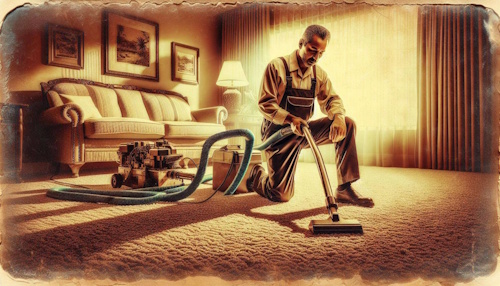
Vacuuming is the first line of defense in carpet care. Dirt and dust particles can settle deep into the fibers, causing wear and tear if not removed. Aim to vacuum at least once a week in high-traffic areas and less frequently in low-traffic zones.
Tip: Use a vacuum cleaner with strong suction and a rotating brush to pick up dirt more effectively. For optimal results, vacuum in multiple directions to lift dirt from all angles.
2. Address Spills Immediately
Spills are inevitable, but the key to preventing permanent stains is to act quickly. As soon as something spills, blot (don’t rub) the affected area with a clean cloth or paper towel to absorb as much liquid as possible.
Tip: After blotting, use a gentle carpet cleaner or a homemade solution (such as white vinegar mixed with water) to treat the stain. Always test cleaning products in a hidden area first to ensure they don’t damage the carpet.
3. Use the Right Cleaning Solution
When choosing a carpet cleaner, be mindful of the type of carpet you have. Natural fiber carpets (like wool) require different care than synthetic ones (like nylon or polyester). It’s important to select a cleaner that’s designed specifically for your carpet type.
Tip: If you’re unsure which cleaner to use, opt for eco-friendly, non-toxic cleaning solutions that are safe for both your carpets and your health. These cleaners are often less harsh and will not strip your carpet’s fibers of their natural oils.
4. Deep Clean Every 6–12 Months
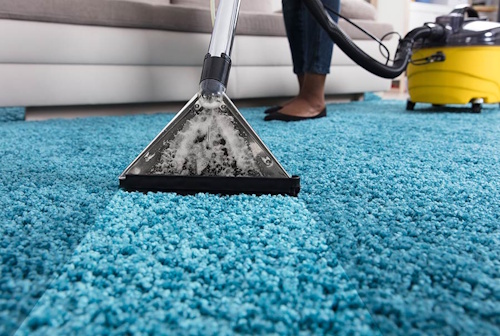
In addition to regular vacuuming, carpets should undergo a deep cleaning at least once or twice a year. Deep cleaning can be done with a carpet shampooer, steam cleaner, or by hiring a professional cleaning service. These methods remove embedded dirt, allergens, and bacteria that regular vacuuming can’t reach.
Tip: If you have pets or children, you may need to deep clean more frequently to keep your carpet in top condition.
5. Deodorize Your Carpet
Carpets can absorb odors from pets, food, smoke, and moisture. To keep your home smelling fresh, sprinkle baking soda lightly over the carpet and let it sit for 15-20 minutes before vacuuming. Baking soda is a natural deodorizer that will absorb unpleasant smells.
Tip: For a fresher scent, consider adding a few drops of essential oil (like lavender or eucalyptus) to the baking soda before applying it to your carpet.
6. Protect Your Carpet with Area Rugs
High-traffic areas, such as hallways and living rooms, are more prone to dirt buildup and wear. Consider using area rugs in these zones to protect your carpets. They are easier to clean and can help prevent excessive dirt from reaching your carpet fibers.
Tip: Rotate area rugs regularly to ensure even wear and prevent color fading.
7. Remove Pet Hair Efficiently
If you have pets, you know how challenging it can be to remove hair from carpets. A rubber broom, pet hair removal brush, or a lint roller can work wonders. Additionally, vacuuming your carpet regularly with a pet-specific attachment will help reduce the amount of pet hair on your carpets.
Tip: A mixture of water and fabric softener in a spray bottle can help loosen pet hair from the fibers before vacuuming.
8. Prevent Damage with Carpet Protectors
Carpet protectors, such as stain-resistant sprays or protective coatings, can help keep your carpets looking new for longer. These products create a barrier that prevents liquids and dirt from soaking into the fibers, making future cleaning easier.
Tip: Reapply the protector every few months to maintain its effectiveness.
9. Use a Carpet Steamer for Refreshing
If your carpets are looking dingy or tired, a steam cleaner can be an excellent way to refresh them. Steam cleaning uses hot water and steam to remove dirt, bacteria, and allergens from deep within the carpet fibers, without using harsh chemicals.
Tip: Make sure to follow the manufacturer’s instructions for the steam cleaner and allow your carpet to dry thoroughly to avoid mold or mildew growth.
10. Call a Professional for Tough Jobs
While DIY carpet cleaning can handle most situations, some stains or heavy soil buildup might require professional intervention. Carpet cleaning companies have the equipment and expertise to tackle stubborn stains, deep dirt, and tough odors.
Tip: Schedule professional carpet cleaning for high-traffic areas or carpets that have not been cleaned in a while to maintain their longevity and appearance.
11. Tackle Stubborn Stains with Homemade Solutions
Sometimes, store-bought cleaners just don’t cut it, especially for tricky stains like red wine, coffee, or grease. But fear not! You can often create effective cleaning solutions right from your kitchen. Here are a few tried-and-tested DIY stain removers:
- Baking Soda Paste: For stubborn stains like wine, coffee, or greasy food spills, make a paste by mixing baking soda with water. Apply it to the stain and let it sit for 10–15 minutes before blotting it off.
- Vinegar and Dish Soap: Mix one cup of white vinegar, one cup of water, and two tablespoons of dish soap. This solution works well for a variety of stains, especially those left by pets.
- Club Soda: A classic trick for carpet stains, especially soda or alcohol-based stains. Simply pour club soda onto the stain and blot until it’s gone.
Tip: Always blot and avoid scrubbing the stain, as scrubbing can push the stain deeper into the fibers.
12. Use a Carpet Rake for Fluffing Up Fibers
Over time, carpet fibers can become matted and lose their plush feel, especially in high-traffic areas. To restore the carpet’s original texture, use a carpet rake, which is a tool designed to lift matted fibers and restore their fluffiness.
Tip: Use a carpet rake gently to avoid damaging the fibers. Rake in the direction of the pile to prevent further flattening.
13. Protect Your Carpet from Furniture Damage
Heavy furniture can create unsightly indentations on your carpet over time. To avoid permanent damage, try using furniture coasters or pads underneath your furniture legs. These pads help distribute the weight and reduce the pressure on the carpet fibers.
Tip: Consider rearranging your furniture every few months to avoid prolonged pressure on the same areas. This also helps distribute foot traffic more evenly.
14. Keep Shoes Off the Carpet
While this may sound like an obvious tip, it’s one that many people overlook. Shoes, especially outdoor ones, bring in dirt, grime, and even chemicals that can stain or damage carpets. Consider establishing a “no shoes indoors” rule or provide a designated shoe rack by the door to help protect your floors.
Tip: Use door mats and area rugs at entry points to catch dirt before it can make it onto your carpet.
15. Be Mindful of Carpet Protectants for Pets
Pet owners know the struggle of dealing with pet stains and odors. In addition to regular cleaning, consider investing in carpet protectants that are specifically formulated to handle pet-related messes. Many pet-specific cleaners break down organic matter like urine, preventing lingering odors and stains.
Tip: If you have multiple pets, using a carpet protector that incorporates antimicrobial properties can help control bacteria growth and odors.
16. Consider Professional Cleaning for Specialty Carpets
Certain carpets, like silk, wool, or antique rugs, may require special care. These materials are often more delicate and can be easily damaged by harsh cleaning methods or chemicals. In these cases, it’s best to hire a professional who specializes in cleaning these types of fabrics.
Tip: When hiring a professional, always check their credentials and ask about their experience cleaning specialty carpets. Professional cleaning can help preserve the fibers, colors, and longevity of expensive or rare carpets.
17. Test New Products First
Before using a new carpet cleaner or DIY solution, always perform a spot test in a small, hidden area of your carpet. Some cleaning products can cause discoloration or damage the fibers, and the last thing you want is to make the problem worse.
Tip: Apply the cleaner to a hidden patch of carpet and wait 15-20 minutes to check for any adverse reactions before using it on the entire carpet.
18. Use the Right Tools for the Job
While basic vacuums work fine for general carpet maintenance, certain tools can make a huge difference in your cleaning efforts:
- Carpet Cleaner with Hot Water Extraction: For deep cleaning, a hot water extraction machine (often referred to as steam cleaning) uses pressurized water to lift dirt and grime from deep within the fibers. This method is highly effective for removing tough stains and allergens.
- Pet Hair Removal Tools: Rubber-based brooms or specialized pet hair vacuums can help remove hair that gets embedded deep into the carpet fibers.
- Upholstery Attachment for Upholstered Carpets: If your carpet includes upholstered elements (like stair runners or furniture), a vacuum with an upholstery attachment can help clean these areas more effectively.
Tip: Invest in a vacuum with adjustable height settings to optimize cleaning for various carpet types—whether plush, Berber, or shag.
19. Seasonal Carpet Care: Spring and Fall Cleanings
Just like you clean your windows and walls during seasonal deep cleans, don’t forget about your carpets! In spring, after the winter’s worth of debris has settled in, and again in fall, when the outside elements (like pollen, dust, and rain) start to affect indoor air quality, plan to do a thorough carpet cleaning. This seasonal attention to your carpet helps prevent the buildup of allergens and ensures that your home is always fresh.
Tip: Schedule professional cleaning in the fall when allergens like dust mites and pollen are at their peak, especially if you or anyone in your household suffers from seasonal allergies.
20. Know When to Replace Your Carpet
Even with regular cleaning, carpets eventually show signs of wear and tear. If your carpet is worn out, stained beyond repair, or has noticeable odors that won’t go away, it may be time to replace it. Consider the age of your carpet and the amount of traffic it has experienced before making this decision.
Tip: Before replacing your carpet, try cleaning one last time to see if it can be revived. Sometimes, a professional deep cleaning can bring your carpet back to life—temporarily extending its lifespan.
Conclusion
Your carpets are an essential part of your home, and they deserve the care and attention necessary to maintain their beauty and functionality. By following these tips, you can keep your carpets clean, fresh, and durable for many years to come.
Remember, regular maintenance, quick response to stains, and professional deep cleaning will ensure that your carpets not only look good but also contribute to a healthier indoor environment. Whether you’re dealing with a simple spill or giving your carpets a seasonal refresh, a little effort goes a long way in preserving your investment and creating a welcoming atmosphere in your home.