

Hoarding isn’t merely a private struggle—it can imperil entire neighborhoods. When stacks of possessions burgeon into labyrinths of clutter, municipal officials may deem the residence a public hazard and issue a condemnation order. Although hoarding stems from a recognized mental health disorder, property owners remain subject to local health, safety, and building codes designed to protect everyone.
What Is a Hoarding Disorder?
People with hoarding disorder find themselves imprisoned by their own belongings. Every item—from grease-stained fast-food wrappers and dusty takeout containers to empty cardboard cartons and even live animals—accumulates until rooms transform into unrecognizable mazes. The mere idea of discarding anything triggers paralyzing anxiety, so possessions are hoarded indiscriminately. Unlike collectors, who carefully curate and display treasured items, hoarders acquire objects impulsively and pile them without order. The result is chaos, not a showcase.
What Are the Consequences of Hoarding?
Inside a hoarded home, basic sanitation collapses. Piles of grimy dishes fester in the sink, unwashed laundry mountains block hallways, and lingering odors hint at unseen decay. Beyond the stench, towering stacks of newspapers and cardboard become tinder for fire, while narrow walkways strewn with random objects threaten fatal trips and falls. One misplaced step can send a teetering heap crashing down like a domino effect.
Unaddressed moisture from leaky pipes or spilled liquids invites mold to bloom in hidden corners, turning walls black with spores. Scattered bottles of waste or uncollected pet droppings become breeding grounds for bacteria and pathogens, attracting insects and rodents. When termites invade damp, wood-laden clutter, they gnaw silently through floor joists and studs, undermining structural integrity. Before long, sagging floors, cracked foundations, and bowing walls pose genuine risk of collapse.
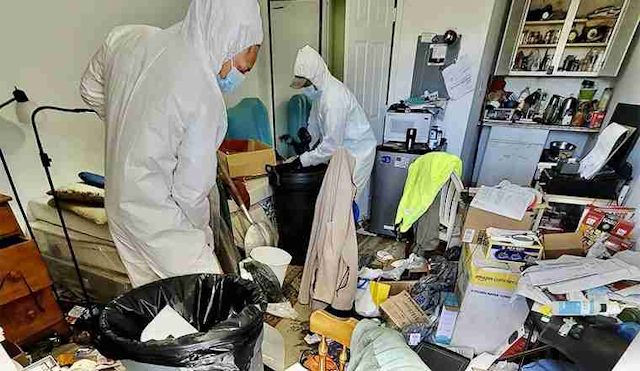
Can Hoarding Cause a House to Be Condemned?
Yes. When a residence poses immediate threats to occupants or the surrounding community—blocked exits, rampant pests, severe mold growth, fire hazards—it can be declared uninhabitable. A condemned property is effectively shut down by local health or building authorities. The presence of unchecked termite damage or persistent water leaks that fuel mold and foul air can alone justify condemnation, as these conditions violate basic habitability standards and endanger lives.
Why Is a Hoarded Home Subject to Condemnation?
Beyond urgent health and safety concerns, hoarded homes often violate housing and zoning codes that preserve neighborhood welfare. Excessive clutter piles block fire escapes and create public nuisances. Unsanitary heaps of trash drip foul runoff into yards and onto sidewalks, spreading vermin and disease. If someone attempts to run a business from within the chaos, zoning violations snowball. And as property values plummet under layers of debris and decay, communities insist on enforcement: a hoarded home left to rot may be condemned to maintain civic standards.
What Is the Process of Condemning a Home?
Municipal inspectors first document code violations or structural hazards through photographs, written reports, and safety measurements. They issue formal notices to the homeowner, identifying deficiencies—mold, fire hazards, pest infestations—and set deadlines for remediation. If repairs aren’t completed, authorities may post “condemned” signs, legally barring residents from reoccupying the premises.
Before eviction or formal condemnation, landlords and local agencies must consider the Fair Housing Act’s protections for individuals with disabilities. They are required to explore reasonable accommodations—such as coordinating structural cleanups or arranging mental health support—before resorting to forcible removal. Throughout this process, homeowners retain due-process rights and are encouraged to collaborate with officials to find solutions and stave off condemnation.
What Can the Individual Do to Prevent Condemnation?
Homeowners facing hoarding-related enforcement should welcome guidance from public health officers or social service agencies. Officials can connect individuals with specialized cleaning crews and professional organizers who approach clutter with empathy. At the same time, therapists and support groups skilled in hoarding disorder treatment can teach coping strategies to resist the urge to accumulate.
By partnering with mental health counselors, decluttering experts, and community resources, individuals can gradually reclaim their living spaces. Clearing exit paths, sealing moisture leaks, and sanitizing surfaces restores habitability and demonstrates good faith to inspectors—often halting condemnation proceedings.
Detail Cleaning M&M Hoarding Cleanup Services
If you or a loved one teeters on the brink of property condemnation, Detail Cleaning M&M stands ready to help. Our compassionate teams craft personalized cleanup plans that respect the homeowner’s needs and emotional attachment to belongings. With decades of experience, our crews work sensitively to sort items for donation, recycling, or disposal—always honoring the client’s final decisions.
Once trust is established, we meticulously reorganize living areas, remove debris, and coordinate all necessary paperwork for government agencies, trusts, or legal representatives. We’ll even deliver cherished possessions to your chosen nonprofit or distribute items to family members near and far. By restoring order and safety, Detail Cleaning M&M not only preserves your home—it protects your well-being and peace of mind.