

Bodily fluid carpet stains—whether flecks of blood, splatters of vomit, or pools of urine—can mar the soft expanse of carpeting with unwelcome color and odor. In long-term care facilities, where residents spend hours each day, such accidents are both unfortunate and sometimes inevitable. But these blemishes aren’t confined to healthcare settings: you may also encounter them in schools, hotels and office buildings. Because fluids can harbor and spread germs, anyone tasked with carpet maintenance must be prepared to handle these spills safely and effectively—and to care for the very tools that restore carpets to their clean, welcoming state.
Creating a “Home-like” Environment with Carpet
A plush carpet in waiting rooms, hallways and resident rooms does more than cushion the footstep—it transforms clinical spaces into havens of comfort. Its dense fibers muffle the clatter of wheeled carts and hurried footsteps, replacing echoes with a soft hush. Underfoot, the springy nap invites a gentle, reassuring give—especially important for older adults prone to trips and falls. Unlike cold, unforgiving tile or hard wood, carpet offers warmth, visual softness and a feeling of domestic familiarity that can ease anxiety.
Yet this comfort comes at a cost: when blood or other bodily fluids seep into the pile, they cling to yarn and backing, staining the fibers and creating breeding grounds for bacteria. In fact, within just four weeks, even brand-new carpet in a busy healthcare corridor can become colonized with microorganisms. Regular, thorough vacuuming and interim maintenance can slow that growth, helping maintain both appearance and hygiene. Use vacuums fitted with true HEPA filters—sealed units that trap fine particles rather than redistributing them into the air—and schedule routine filter changes so they retain peak efficiency.
Cleaning with Caution
When a spill occurs, time is of the essence—but so is safety. Always consult and comply with federal, state and local regulations governing blood-borne pathogens. Before approaching the stain, don personal protective equipment: snug gloves of nitrile or rubber, eye protection if splatter is possible, and a gown or apron if the risk of contact is high. Bodily fluids include blood, vomit, sweat and urine—all of which may carry infectious agents.
Before you begin, review the carpet manufacturer’s cleaning guidelines and heed any warnings. Stain removal in these cases demands both the right chemistry and meticulous technique:
• Preliminary blotting: Using a fresh, white paper towel or absorbent pad, gently blot the liquid—do not rub, which can spread the stain. For semi-solid matter (e.g., vomit), carefully lift away solids with a spoon or spatula before blotting.
• Applying spotting chemical: Select a ready-to-use organic stain remover that’s proven effective against blood and bodily fluids. Hold the spray nozzle several inches from the carpet—avoid touching the fibers with the container—to prevent cross-contamination. Mist the affected area lightly, then blot with a clean towel. Always use cool solutions; heat can “set” protein-based stains more deeply into fibers.
• Secondary treatment with hydrogen peroxide: If the stain endures, dampen a fresh towel with 3% hydrogen peroxide and lay it over the spot. Let it stand for at least one hour—during which you may see tiny bubbles lifting residual pigment—then continue to blot until the discoloration fades.
• Gentle agitation: Once the stain is gone, treat the area with a general‐purpose carpet spotting agent. Using a soft‐nosed spotting tool—such as the Whittaker Smart Care® TRIO or a Carpet Roamer—work the solution into the pile with small, circular strokes. This frees any remaining soil without dispersing microorganisms into the air.
• Final vacuuming: After the fibers fully dry, run the HEPA-filtered vacuum over the area to restore nap and remove any dried residue.
To verify complete removal, shine a black light across the spot before and after cleaning. Any lingering organic matter will fluoresce with an eerie glow—if it still glitters under UV, repeat treatment. Return in a day or two to ensure no sticky remnants remain.
Be mindful that adding water to a residue can intensify odors by dissolving bile salts or other compounds. Limit water use strictly to rinsing after chemical treatments, not as part of the cleaning solution itself. Once the spill is vanquished, reinforce your maintenance regime: daily vacuuming, regular interim treatments and—and when soils penetrate to the carpet backing—a scheduled restorative clean.
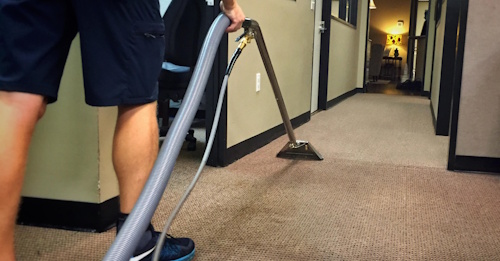
Keeping Equipment Clean
Your work isn’t done once the carpet looks fresh. Brushes, nozzles and collection trays that have touched bodily fluids must be disinfected to prevent cross-contamination from one room to the next—especially critical in long-term care, where residents may have fragile immune systems.
1. Don new PPE.
2. Remove and empty the collection tray into a sealed disposable bag.
3. Detach brushes and wipe their axles, vanes and the machine’s underside with a broad‐spectrum disinfectant.
4. Soak brushes in a disinfectant solution for the time specified by the product label—allowing the bristles to loosen and release any trapped soil.
5. Rinse, air‐dry thoroughly and reassemble, ready for the next cleaning call.
By elevating both your stain‐removal technique and your post-use equipment care, you’ll uphold the highest standards of hygiene and hospitality—ensuring carpets remain not only soft and inviting, but also safe and sanitary.