

Your rugs and carpets are more than floor coverings—they’re investments in color, texture, and comfort. Shield them by steering clear of these five notorious staining culprits, and arm yourself with the best techniques to lift even the most stubborn spots.
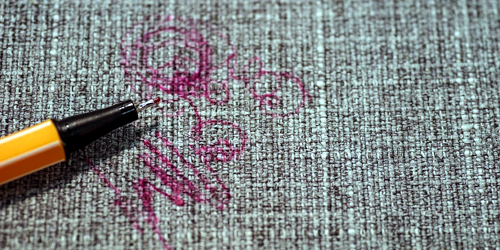
1. Ink or Paint
A single drop of inky black or a dollop of paint can seep deep into carpet fibers, leaving a permanent mark. India ink, printer cartridges, acrylics, and fabric paints all boast pigments designed to adhere, making them especially ruthless.
If disaster strikes, grab a clean cloth and saturate it with high-concentration isopropyl alcohol. Gently dab the stained area—never rub, or you’ll spread the pigment. As the ink or paint lifts, switch to a water-dampened cloth to rinse away residue. Allow the carpet to air-dry fully, then finish with a careful vacuum to restore pile and texture.
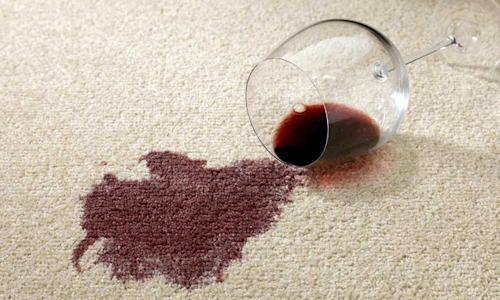
2. Red Wine
A glass of velvety red wine can set the perfect mood—but on carpet, its deep crimson pigments become a living nightmare. Wine (and other grape-based beverages) sears into fibers, leaving behind an unmistakable purplish stain.
Act the moment a spill occurs. Press a dry cloth into the stain to absorb as much liquid as possible. Next, moisten a fresh cloth with a solution of white wine vinegar diluted in water—or a mild liquid detergent—and blot from the outer edges inward. Should a faint stain persist once dry, follow up carefully with hydrogen peroxide or sodium perborate, testing first on an inconspicuous patch.
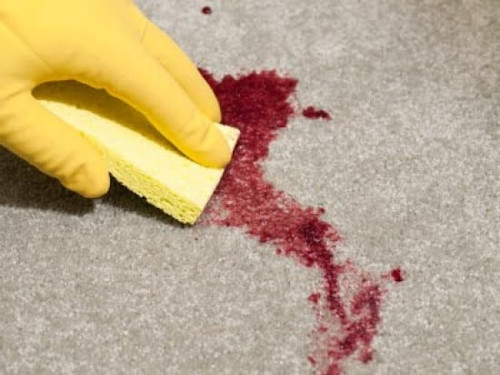
3. Blood
Blood spills pool into carpets like dark red ink, then congeal into stubborn blemishes. Over time, these stains oxidize, turning dingy brown and growing ever harder to remove.
Once any injury is under control, blot the blood spot immediately with paper towels or disposable cloths, absorbing as much liquid as you can. Skip warm water—it cooks proteins, locking them in place. Instead, prepare a mixture of cold water and a touch of gentle dish soap. Lightly dab the stain until it fades, replenishing your cloth as it picks up color, and rinse with plain cold water before allowing the area to dry.
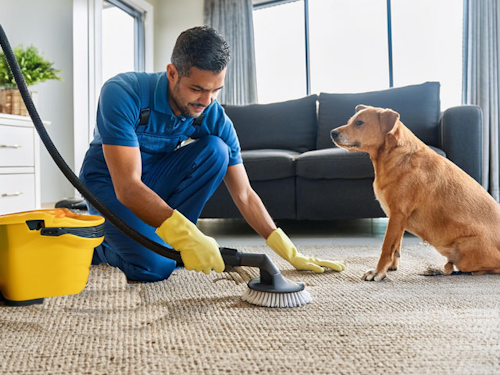
4. Pet Stains
We adore our four-legged friends, but the unanticipated puddles they leave can wreak havoc on carpets in more ways than one. Urine and other messes often vanish from sight once dry, but their odors linger, attracting repeat offenses.
When you discover a pet stain, spring into action. Remove any solids, then mist the spot with a pet-specific enzymatic cleaner or a diluted vinegar solution. Let it soak in for several minutes, then press with paper towels or a clean rag to lift both liquid and odor. Once the fibers are nearly dry, liberally dust the area with baking soda and leave it overnight. After 24 hours, vacuum thoroughly to banish lingering smells and refresh the pile.
5. Chlorine Bleach
Though bleach fights many stains, it behaves like an acid on everything but the whitest carpets—stripping dye and creating glaringly pale blotches.
If bleach spills occur, act swiftly. Lay a paper towel or soft rag over the area to absorb the liquid—don’t rub, which will only spread the damage. Once you’ve soaked up as much as possible, there’s no true “cleaning” bleach spots; you may need to recolor the affected section. Dyeing an entire carpet uniformly is your best shot at camouflage, though color consistency can vary.
Why Professional Carpet Cleaning Matters
Nothing compounds carpet heartbreak like the wrong DIY cleaners, harsh chemicals, or half-hearted blotting. A qualified carpet-care specialist wields industrial tools and safe, effective solutions to restore your investment without risk. Ready to bid farewell to stains and odors? Contact Detail Cleaning M&M today and discover the difference true expertise makes.